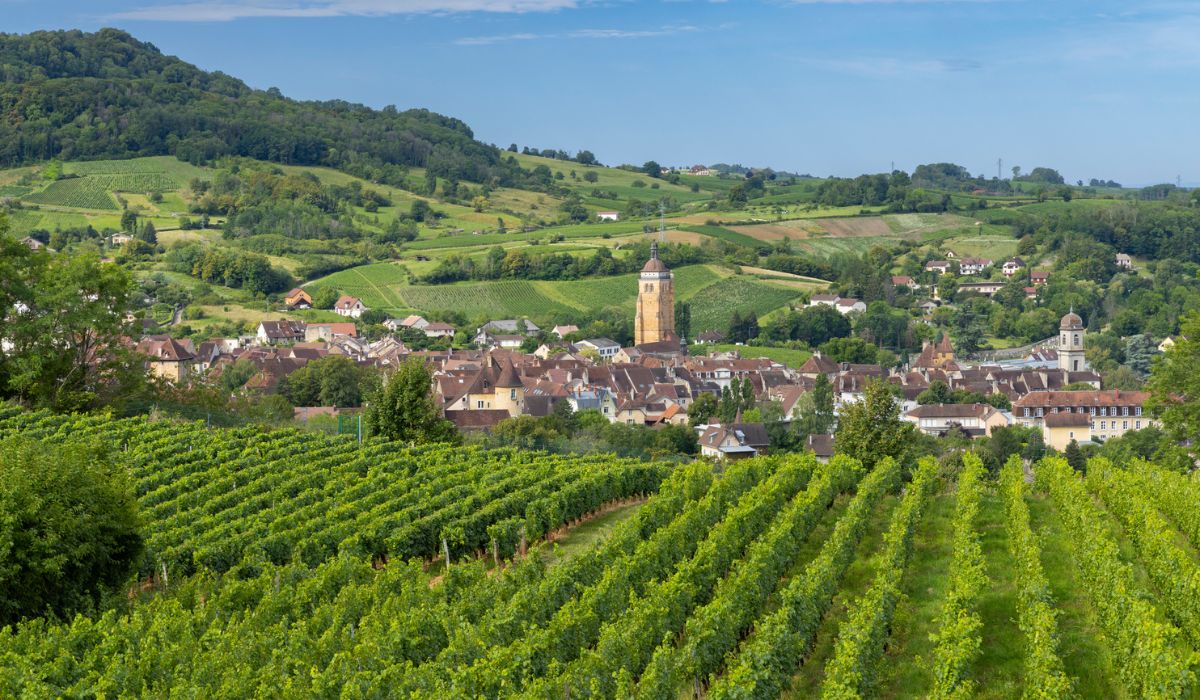
Macvin du Jura walks a pretty hard road. The often-overlooked wine style may hail from the hip and happening region of Jura, France, tucked between Burgundy and Switzerland, but often finds itself in a purgatory with wine buyers. While glamour bottles of the Jura region’s vaunted savagnin, complex and cellar-worthy Vin Jaune and scarce, ethereal reds produced from poulsard hit the spotlight, Macvin is sat on the bench. Sweet wine? Fortified wine? Dessert wine? Oddball.
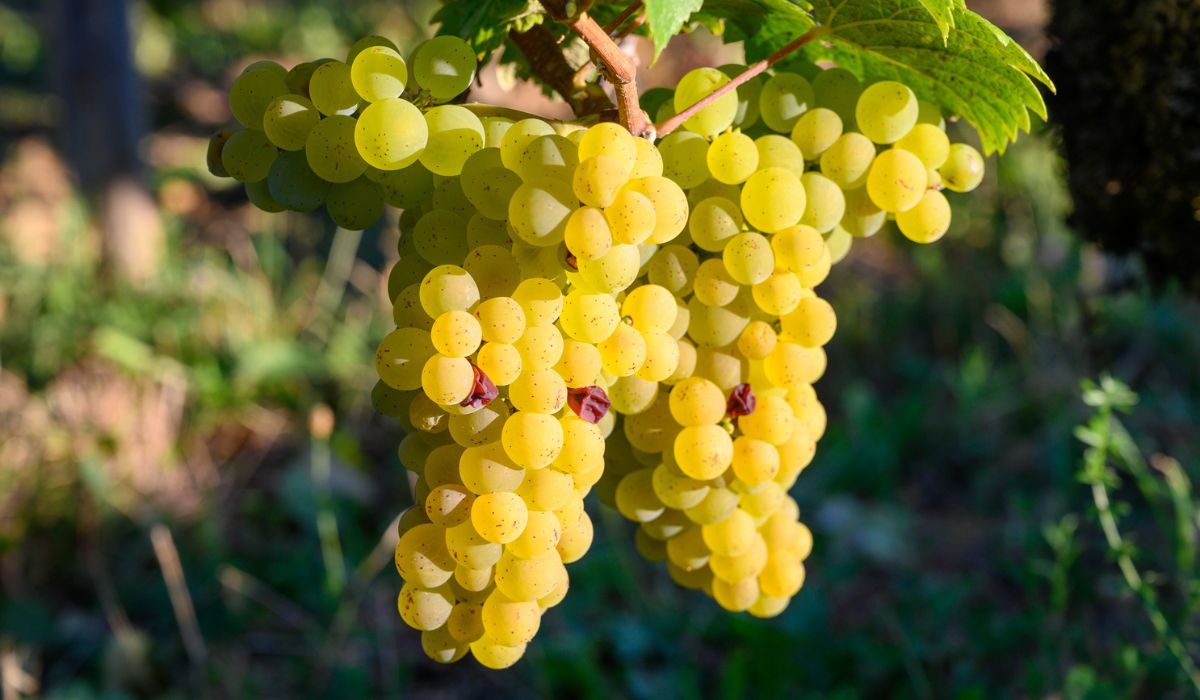
For those in-the-know, some of these wines are world beaters and simply outstanding. Macvin is produced from a marriage of fresh grape must (juice) and marc, the local grape spirit produced from grape skins left over from the same winery’s harvest (usually distilled in the same winery). The process begins with ripe grapes harvested from any of Jura’s five major varieties – chardonnay, savagnin, poulsard, trousseau, or pinot noir – and can be a blend or single variety of these. The freshly pressed juice (unfermented) is fortified with about one-third marc, bringing the alcohol content to roughly 16–18 per cent. Because fermentation is arrested by this addition, the wine remains naturally sweet and deeply expressive of its fruit.
Once blended, Macvin is aged in oak barrels for a minimum of 12 months, often longer, where it develops its characteristic complexity. The oxidative environment, similar to that used for Vin Jaune, imparts nuttiness, an array of sweet and savoury spice, and honeyed tones that weave through layers of fresh fruit coupled to candied citrus, dried fruits, and sometimes even earthy, umami elements.
The texture is luscious yet balanced by the Jura’s hallmark acidity, creating a wine that feels both indulgent and precise. They present as complex, textural sweet wines with inherent freshness. It’s a wonder with all this seriousness that when Jura allocations are eked out, Macvin tends to be rejected, sidelined for its curious nature and perceived lack of utility. In all this we are missing a trick.
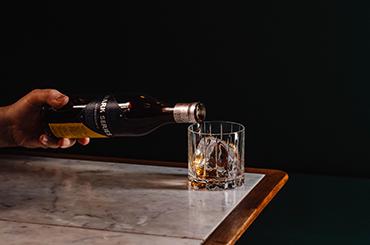
Macvin’s versatility is a secret to its charm. Served chilled and it reveals fresh fruit and lift with a nod in the direction of sherry and other savoury, fortified wines. At room temperature it becomes deeper, more contemplative, an easy bedfellow for rich dishes through a long meal; Jura’s famed smoked Morteau sausage, foie gras, mature Comté cheese or simple desserts like tarte Tatin come to mind. In the Jura, it is also used in cooking, for glazing meats or enriching sauces, a reminder of how woven it is into local culture.
When I last visited Stéphane Tissot, notoriously enthusiastic about his complex yet invigorating Cremant du Jura sparkling wines, he hurried me into his cellar and exclaimed, “Finally, we have a Jura spritz! Something to rival Campari and Aperol ones, non?!”, and poured a big lug of Macvin into a glass and topped it with his Cremant. The resulting drink was sensational, rich, refreshing, nutty, sweet, tart. I asked for a second. Modern applications work alongside the traditional, it seems.
The story of Macvin reaches back to the Middle Ages when winemakers sought ways to preserve their harvests and amplify flavour. Local records trace versions of the wine to the 14th century, though its modern incarnation was formalised only in 1991, when Macvin du Jura received its AOC status. This official recognition came after centuries of quiet local production, the wine a secret of families, cellars, and celebrations rather than a commercial staple.
In a world that often prizes speed and novelty, Macvin du Jura stands as an emblem of patience, heritage, and quiet complexity. It’s an idiosyncratic wine from a wine region full of quirks. In that, it becomes not only an emblem of Jura, the special place that it is, but another opportunity to expand vinous horizons and layer in interest to drinking experiences more broadly.
Macvin to try
Bénédicte & Stéphane Tissot Macvin Rouge (Pinot Noir) ($139)